Review outsourced game art without endless revision loops
A staged review process that gives external artists clearer decisions, protects visual quality, and catches expensive problems earlier.

THE SHORT ANSWER
Approve outsourced art in stages: direction, structure, finish, and integration. Give one prioritized set of feedback against a shared brief at each stage, and keep decisions in a visible record.
The review starts before the first delivery
An external artist cannot see all the informal decisions inside your studio. If the brief leaves those decisions implicit, the first delivery becomes a guessing exercise. The studio then pays for clarification through revision time. A clear handoff should describe the purpose of the asset, its visual rules, the context in which it appears, and the requirements for delivery.
Include a small set of annotated references and a representative approved asset when one exists. Explain which attributes are mandatory and which are open to interpretation. If the artist is expected to explore alternatives, say so explicitly and define the stage at which the team will choose a direction.
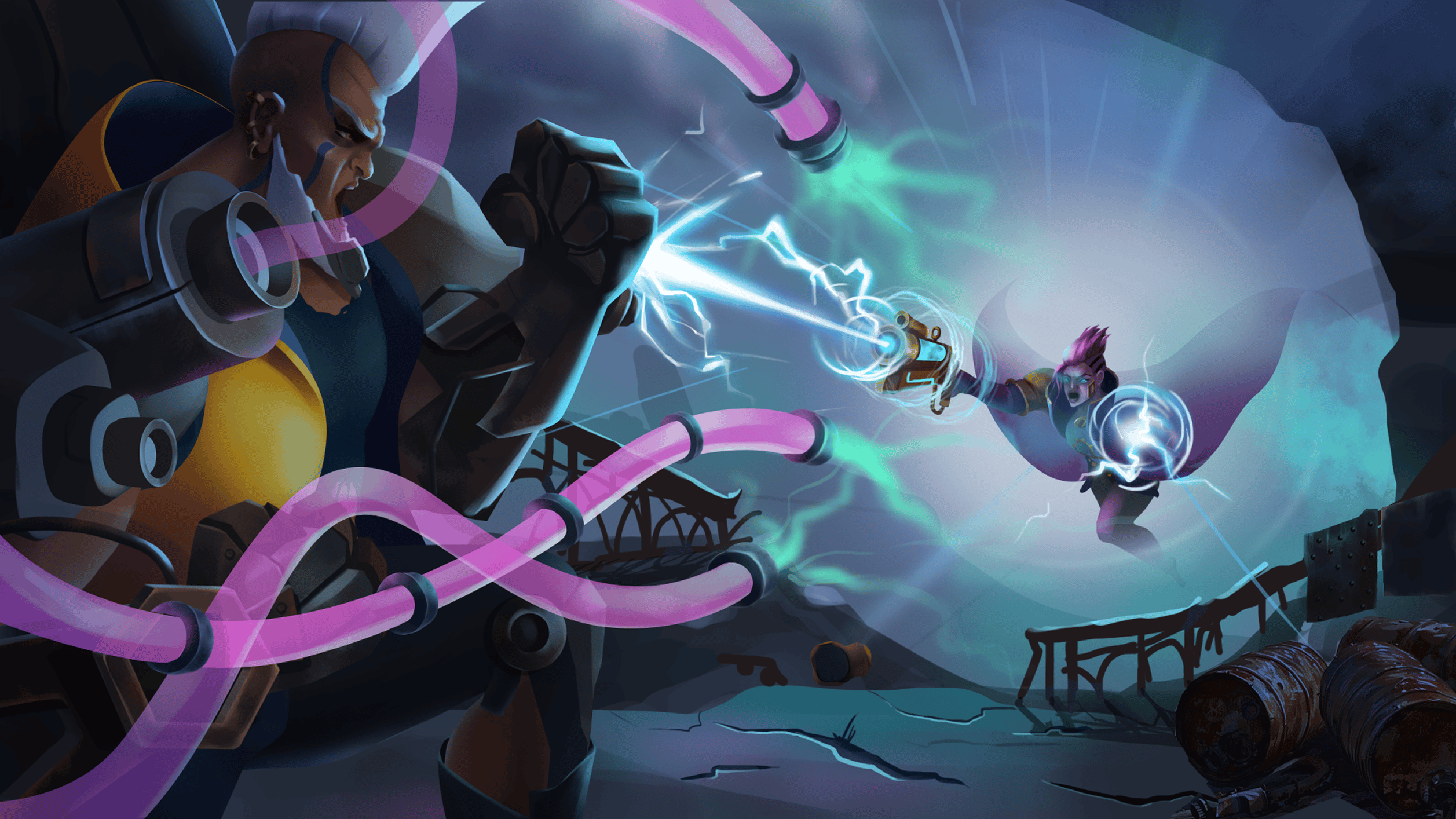
Outsource management is part of my work across game art production, including the Nanotopia mobile portfolio. The general lesson is straightforward: an external team needs a reliable decision system, not just access to a folder of references. The process below is a recommended framework, rather than a claim about a specific client’s internal workflow.
Separate direction from polish
First review the direction in thumbnails or rough alternatives. Look at silhouette, broad composition, role, and fit with the world. Avoid spending the entire review on surface details when the underlying idea is unresolved. Approving direction should narrow the possibilities enough for the artist to move forward confidently.
Next review structure: proportions, shape language, hierarchy, and the relationship between major forms. Then review finish: lighting, material treatment, edge control, color, and detail. Finally review integration in the game or a representative mockup.
The stages do not need to create unnecessary bureaucracy. A simple asset may move through them quickly. A complex hero asset may need separate checkpoints. The purpose is to make major decisions while they remain inexpensive to change, and to avoid requesting a new silhouette after the artist has finished rendering.
- Direction: does the concept belong in the world?
- Structure: do the important forms and priorities work?
- Finish: does the execution meet the visual standard?
- Integration: does the asset read and behave correctly in context?
Write feedback the artist can act on
Consolidate feedback before sending it. Contradictory notes from several stakeholders force the artist to interpret the studio’s priorities. The director should resolve those conflicts and send a coherent set of decisions, with a clear distinction between required changes and optional refinements.
Each important note should identify the issue, explain why it matters, and describe the intended change. For example: the ingredient blends into the background at gameplay size; it needs a clearer silhouette and stronger separation in value. This is more useful than asking the artist to make it pop.
Use paintovers carefully. They can explain spatial or lighting problems quickly, but the accompanying text should still describe the reasoning. Otherwise the artist can copy the visible adjustment without learning the rule that should carry into the next asset. Keep the priority order visible so the artist knows what to address first.
Keep approvals and acceptance criteria visible
Maintain a record of deliveries, feedback, approved stages, and current requirements. When a direction changes, acknowledge that it is a new decision and identify the affected work. Treating a changed brief as an artist’s mistake damages trust and makes the process harder to estimate.
Before accepting final delivery, check the source files, exports, naming, dimensions, transparency, and actual in-game presentation. Compare the asset with representative neighboring work so that local polish does not hide a consistency problem.
A strong review system gives artists room to do good work while making decisions accountable. That is where sustained art direction earns its place: protecting the identity of the game, translating judgments into clear next steps, and helping distributed teams move forward together.
Key takeaways
- Give external artists the context that internal teams take for granted.
- Approve major visual decisions before asking for polish.
- Send one consolidated, prioritized set of feedback.
- Accept the asset in context and check the delivery requirements.